Kvernufoss
A 30-metre waterfall hidden in the Kvernugil gorge, just east of Skogafoss. One of few Icelandic waterfalls where you can walk behind the cascade, without the crowds.
Most visitors to Skogar see Skogafoss, take their photos, and drive on. Just a few hundred metres east, hidden inside a narrow gorge called Kvernugil, Kvernufoss drops 30 metres over a basalt cliff face into a shallow pool — and almost nobody is there to see it.
Finding the Trail
There are no signs pointing to Kvernufoss. From the Skogar Museum car park, walk to the eastern end and look for a path heading along the left bank of the Kverna river. The trail leads through a grassy meadow before climbing gently into the mouth of the gorge. The entire walk takes about 15 to 20 minutes at a relaxed pace.
The gorge narrows as you approach. Moss-covered walls of black basalt rise on both sides, and the sound of falling water grows louder with each step. When the waterfall finally comes into view, framed by the dark rock walls and green moss, the effect is striking — far more dramatic than the modest trail suggests.
Walking Behind the Falls
Kvernufoss is one of a handful of Icelandic waterfalls where you can walk behind the cascade. A narrow path leads along the rock face and into a shallow cave behind the curtain of water. The view from behind — looking out through the falling water at the gorge beyond — is the highlight of the visit.
The path is uneven and wet. In summer, it is manageable with decent hiking boots. In winter or after heavy rain, the rocks become genuinely slippery, and ice can form on the surfaces closest to the spray. There are no railings or safety barriers. Use your judgement and watch your footing.
Why It Stays Quiet
Kvernufoss benefits from the shadow of its famous neighbour. Skogafoss is one of the top ten most visited sites in Iceland, drawing hundreds of visitors at peak times. Because there is no signage for Kvernufoss and the trail starts from the back of a museum car park, the vast majority of tourists never know it exists. Even in high summer, you may have the gorge entirely to yourself.
Practical Details
The hike is approximately 1.6 kilometres round trip with minimal elevation gain. It is suitable for most fitness levels, though the final stretch near the falls requires some scrambling over rocks. Waterproof boots are strongly recommended in all seasons. Allow about an hour for the round trip, including time to explore behind the falls and take photographs.
Kvernufoss pairs well with a visit to the Skogar Museum, which houses an excellent collection of Icelandic turf houses and historical artefacts. Together, the museum and waterfall make a worthwhile stop of two to three hours before continuing east along the south coast.
Frequently Asked Questions
- How do I get to Kvernufoss?
- Drive to the Skogar Museum (Byggdasafn Skogars) on Route 1, about 155 kilometres east of Reykjavik. Park at the far end of the museum car park. From there, follow the unmarked trail east along the left bank of the Kverna river. The walk is roughly 800 metres one way and takes about 15 to 20 minutes.
- Can you really walk behind the waterfall?
- Yes. A narrow path leads behind the cascade into a shallow cave, giving you a view through the falling water. The rocks can be slippery, especially in wet or cold conditions, so waterproof hiking boots with good grip are essential. Take care on the final stretch.
- Is Kvernufoss open in winter?
- The waterfall is accessible year-round, but winter conditions make the trail muddier and the rocks near the falls significantly more slippery. In freezing temperatures, ice can form on the path behind the waterfall. Visit with caution and proper footwear in winter months.
- Is there an entrance fee?
- No. Kvernufoss itself is free to visit. You park at the Skogar Museum car park, which may charge a small parking fee. The museum is a separate paid attraction and worth a visit if you have time.
- How does Kvernufoss compare to Skogafoss?
- Skogafoss is 60 metres tall, twice the height of Kvernufoss, and visible directly from the Ring Road. It draws large crowds year-round. Kvernufoss is smaller but more intimate — tucked inside a gorge, surrounded by moss-covered cliffs, and visited by a fraction of the people. The ability to walk behind the falls makes it a different experience entirely.
Book Unforgettable Iceland Experiences — South Coast
From glacier hikes to northern lights tours — browse hundreds of activities and book with free cancellation.
Browse ActivitiesRent a Car and Explore Iceland
Freedom to roam the Ring Road and beyond. Compare car rental deals in Iceland.
Compare Car RentalsMore Attractions in South Coast
See all →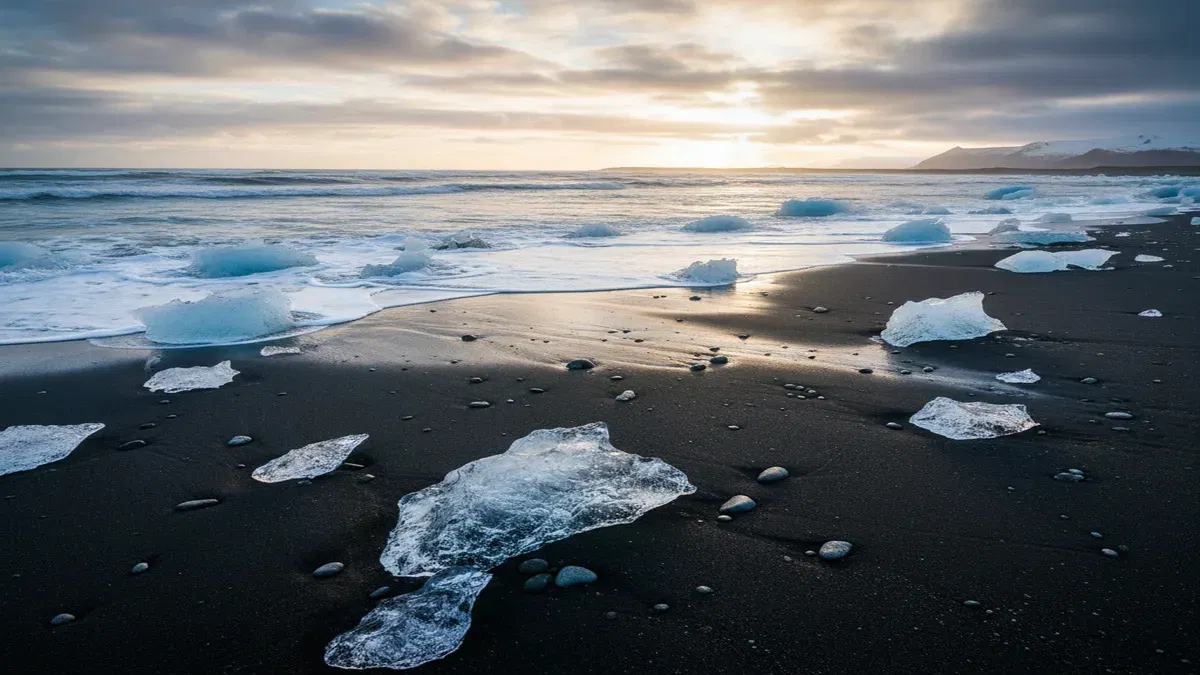 South Coast30 minutes - 1 hour
Diamond Beach
A striking black volcanic sand beach where crystal-clear icebergs wash ashore from Jokulsarlon glacier lagoon, creating a natural display that resembles scattered diamonds. One of Iceland's most iconic photography locations and part of Vatnajokull National Park.
 South Coast15-30 minutes
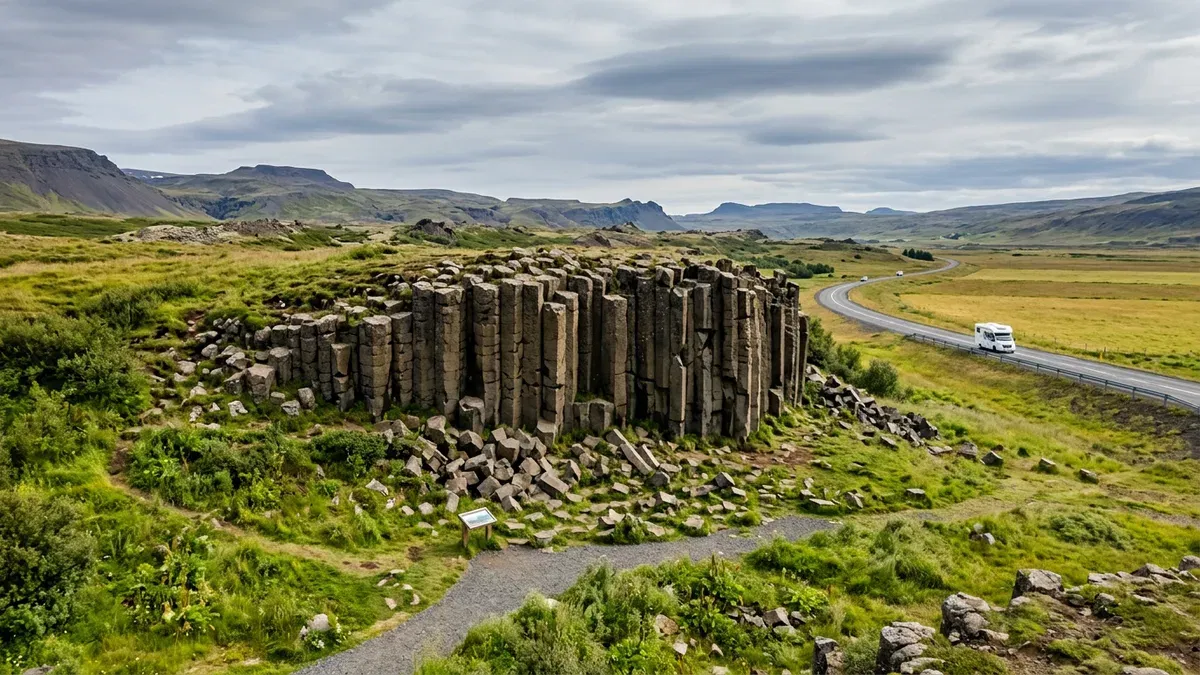
Dverghamrar (Dwarf Crags)
Dverghamrar is a cluster of small but perfectly formed basalt column formations along Route 1. These symmetrical hexagonal pillars, protected as a natural monument, look like they were crafted by the dwarves of Icelandic folklore.
 South Coast1-2 hours
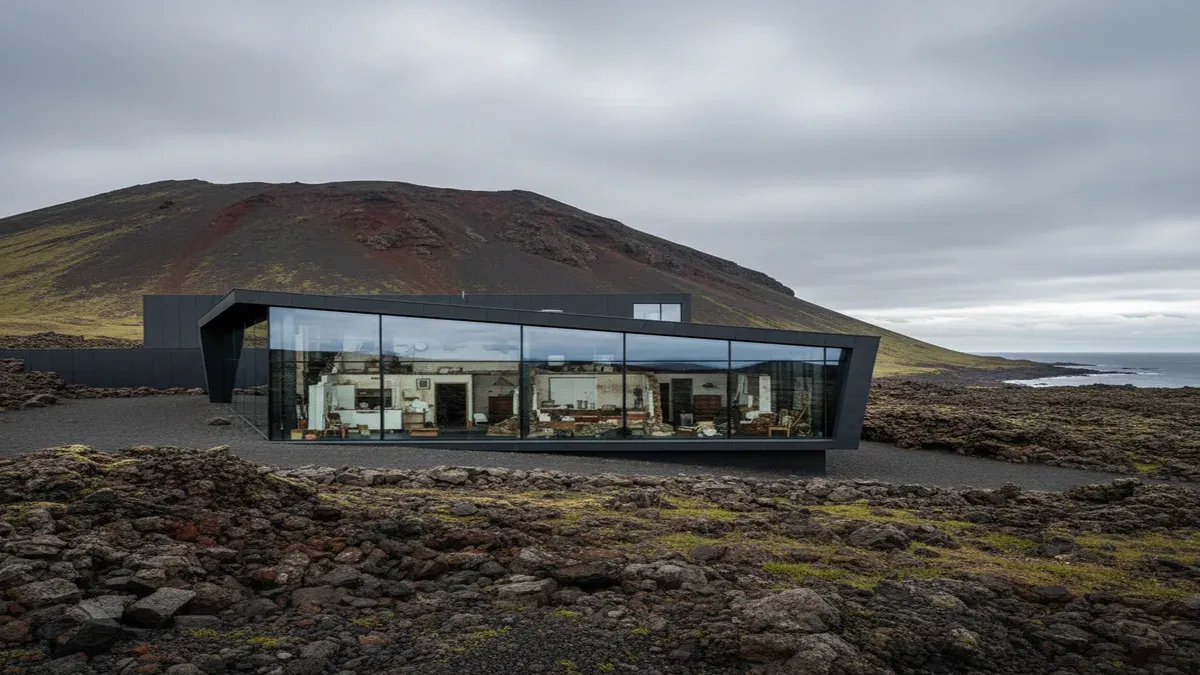
Eldheimar
A striking museum built around an excavated house buried by tephra during the 1973 Eldfell eruption on Heimaey island. Often called the Pompeii of the North, Eldheimar preserves the moment an entire neighbourhood vanished beneath volcanic ash in a single night.