Diamond Beach
A striking black volcanic sand beach where crystal-clear icebergs wash ashore from Jokulsarlon glacier lagoon, creating a natural display that resembles scattered diamonds. One of Iceland's most iconic photography locations and part of Vatnajokull National Park.
Diamond Beach, known formally as Breidamerkursandur, is a stretch of black volcanic sand on Iceland's south-east coast where icebergs from Jokulsarlon glacier lagoon wash ashore after drifting out to the North Atlantic. The ice originates from Breidamerkurjokull, an outlet glacier of Vatnajokull — Europe's largest ice cap. As chunks of glacier calve into the lagoon and float towards the sea, the ocean current and tides push them back onto the shoreline, depositing them across the dark sand in shapes and sizes that change by the hour.
How the Ice Arrives
The journey of each iceberg begins at the glacier face, where sections of ice break away and enter Jokulsarlon lagoon. The ice drifts slowly towards the narrow river channel that connects the lagoon to the Atlantic. Once in the open water, waves and tides wash the pieces back onto the beach. The contrast between the translucent, blue-white ice and the black sand is what gives the beach its name — in sunlight, the ice fragments glitter like enormous diamonds scattered across dark velvet.
What to Expect on the Beach
The scene at Diamond Beach shifts constantly. After a storm or high tide, the sand may be covered with dozens of icebergs, some taller than a person. On calmer days, smaller gem-like pieces line the waterline in clusters. The ice takes on a range of colours depending on its age and the light — from deep cobalt blue to almost perfectly transparent, occasionally streaked with volcanic ash trapped centuries ago. Each piece is unique, sculpted by wind, wave, and the slow work of melting.
Wildlife
The waters at the river mouth attract harbour seals, which are often visible swimming between floating icebergs or hauled out on the sand. Arctic terns nest along the coastline during summer and can be territorial, diving at visitors who wander too close to nesting sites between May and August. Further offshore, orcas are occasionally spotted hunting along the coast.
Photography
Diamond Beach is one of Iceland's most photographed locations. The best conditions for photography are during the golden hours around sunrise and sunset, when the low angle of light passes through the ice and creates vivid colours against the dark sand. Long exposures of waves washing around grounded icebergs are a popular technique. Winter offers shorter days but more dramatic skies and often larger ice pieces, while summer provides the midnight sun and near-empty beaches in the late evening hours.
Getting There and Practical Details
Diamond Beach is located approximately 378 kilometres east of Reykjavik along Route 1, a drive of roughly five hours. The car park is directly off the highway, across the road from the Jokulsarlon glacier lagoon car park. Most visitors combine the two sites into a single stop. There is no entrance fee. Basic facilities including toilets are available at the Jokulsarlon car park. The beach itself is flat and requires no hiking, though the sand can be uneven. Sturdy footwear is recommended, and waterproof layers are wise given the exposed coastal conditions. Allow at least 30 minutes, though photographers and anyone captivated by the shifting ice will easily spend an hour or more.
Frequently Asked Questions
- Is Diamond Beach free to visit?
- Yes. There is no entrance fee and no restricted opening hours. The beach is accessible at all times. A car park is located just off Route 1, shared with Jokulsarlon glacier lagoon, and there are basic toilet facilities nearby.
- When is the best time to visit Diamond Beach?
- Diamond Beach can be visited year-round, though the volume and size of icebergs on the shore varies. Winter months from November to March tend to produce the largest and most plentiful ice pieces. For photography, sunrise and sunset offer the most dramatic light, with the low sun illuminating the ice from behind. Summer brings midnight sun conditions, making late-night visits possible with very few other visitors.
- Is it safe to touch or climb on the icebergs?
- You may touch the smaller ice pieces on the sand, but climbing on icebergs is strictly prohibited. The ice can be unstable and may roll or break apart without warning. Stay well back from the waterline as well — the waves on this stretch of coast are powerful and unpredictable, and the undertow is dangerously strong.
- Can I see seals at Diamond Beach?
- Yes. Harbour seals are regularly spotted in the waters around the river mouth where the lagoon meets the sea. They are often seen swimming among floating icebergs or resting on ice chunks. Binoculars are helpful for closer views. Orcas have also been sighted offshore, particularly when seal numbers are high.
Book Unforgettable Iceland Experiences — South Coast
From glacier hikes to northern lights tours — browse hundreds of activities and book with free cancellation.
Browse ActivitiesRent a Car and Explore Iceland
Freedom to roam the Ring Road and beyond. Compare car rental deals in Iceland.
Compare Car RentalsMore Attractions in South Coast
See all →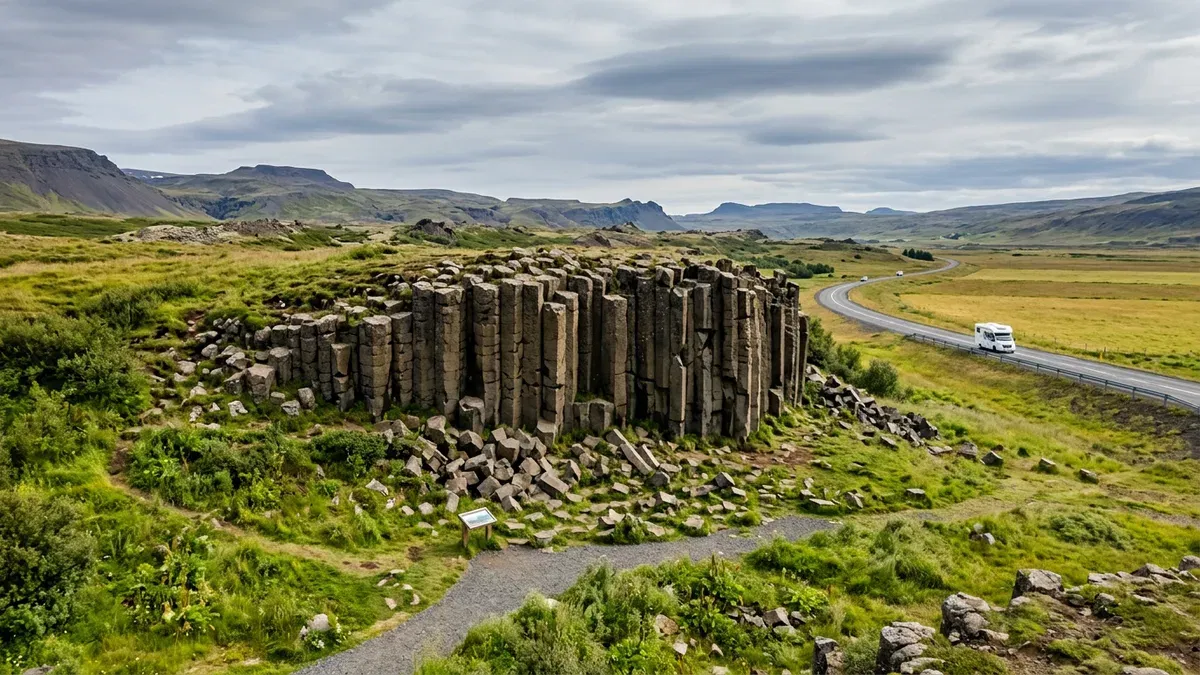 South Coast15-30 minutes
Dverghamrar (Dwarf Crags)
Dverghamrar is a cluster of small but perfectly formed basalt column formations along Route 1. These symmetrical hexagonal pillars, protected as a natural monument, look like they were crafted by the dwarves of Icelandic folklore.
 South Coast1-2 hours
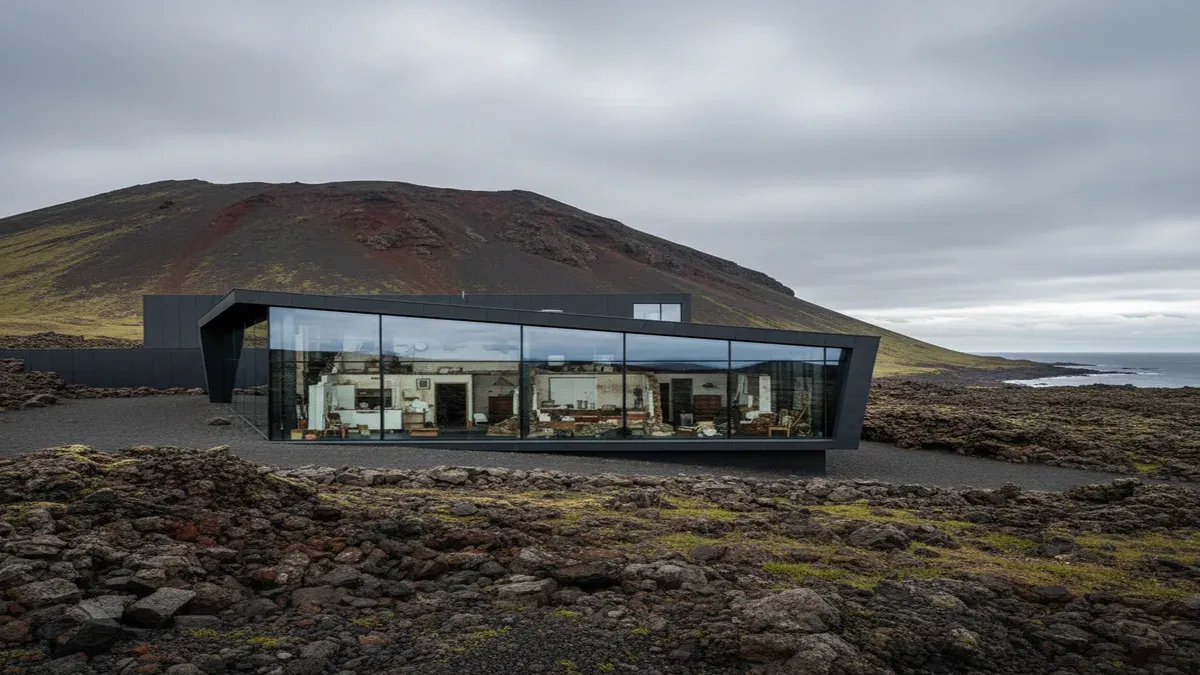
Eldheimar
A striking museum built around an excavated house buried by tephra during the 1973 Eldfell eruption on Heimaey island. Often called the Pompeii of the North, Eldheimar preserves the moment an entire neighbourhood vanished beneath volcanic ash in a single night.
 South Coast15-30 minutes
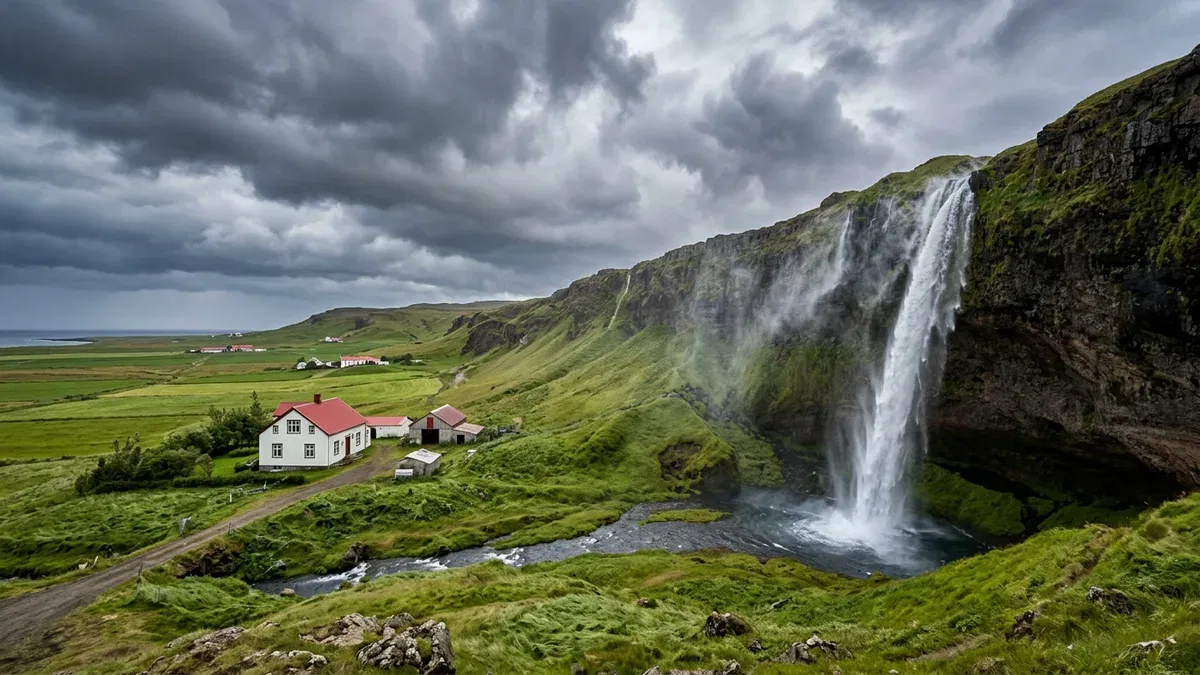
Foss á Síðu
Foss á Síðu is a graceful waterfall that drops from the edge of a cliff alongside a historic farm on Route 1. In strong winds, the water blows upward before it can reach the ground — a phenomenon that makes this roadside stop unforgettable.