House of the Snowbird
A beautifully preserved 19th-century wooden house in Reykjavik's oldest neighbourhood, built by the celebrated Icelandic poet Einar Benediktsson in 1896. Now an artist-run heritage home filled with original paintings, ceramics, and photographs, the House of the Snowbird offers visitors a rare glimpse into Reykjavik's architectural past and Iceland's artistic traditions.
A Poet's House in Reykjavik's Oldest Quarter
At the corner of Vesturgata and Mjostraeti, in the heart of Reykjavik's Grjotathorp neighbourhood, stands one of the city's oldest and most characterful wooden houses. Built in 1896 by the poet Einar Benediktsson, the House of the Snowbird is a striking red and white timber building that has survived over a century of Icelandic winters. Einar Ben, as he is affectionately known, had the house shipped in pieces from Norway, a common practice in 19th-century Iceland where suitable building timber was scarce. Markings on the original beams still bear traces of this transatlantic journey.
The Artist Family
Today the house is owned and operated by a family of artists who have woven their creative mark into every room. The interior is an intriguing fusion of old Scandinavian craftsmanship and contemporary Icelandic art. Walls are lined with original paintings and photographs, while shelves and surfaces display handmade ceramics produced by the family in a studio in the building's basement. The host, Elsa, maintains the artistic tradition and offers guests a deeply personal experience of Icelandic culture. Visitors frequently describe the atmosphere as warm, intimate, and unlike any standard accommodation.
Grjotathorp and the Old Town
The surrounding neighbourhood of Grjotathorp is Reykjavik's oldest preserved residential district. In the 18th century, a cluster of turf houses occupied this land, part of the Grjoti smallholding on the original Reykjavik estate. By the late 1800s, these had been replaced by the colourful wooden houses that still line the narrow streets today. The area was at the centre of Reykjavik's earliest urban development, linked to Skuli Magnusson's ambitious Innrettingar workshops that aimed to modernise the local economy. Walking through Grjotathorp now, with its small gardens and carefully restored facades, offers a vivid sense of what the capital looked like before concrete and corrugated iron became the dominant building materials.
The Snowbird Connection
The house takes its name from the rjupa, the rock ptarmigan, a bird so central to Icelandic identity that it has appeared in folklore, poetry, and on dinner tables for centuries. Iceland's only native gamebird, the ptarmigan turns pure white in winter, earning it the affectionate name snowbird. For generations, Icelanders depended on ptarmigan hunting to supplement winter food supplies, and to this day the bird remains the most traditional Christmas meal in the country. The name House of the Snowbird thus evokes not merely a single species but a broader thread of Icelandic cultural memory, connecting this 19th-century poet's house to the landscape and traditions that shaped the nation.
Visiting the House
The House of the Snowbird sits within easy walking distance of nearly all of central Reykjavik's main attractions. The Old Harbour is roughly 200 metres to the north, Harpa Concert Hall stands a short stroll to the east, and the museums and galleries clustered around Tryggvagata and Hverfisgata are all within a ten-minute walk. The neighbourhood itself rewards a slow wander, particularly in the early morning or late evening light when the painted timber facades catch the low Icelandic sun. Whether you visit as a guest staying in one of the apartments or simply pass by on foot to admire the exterior, the house offers a quietly powerful connection to Reykjavik's literary and artistic past.
Frequently Asked Questions
- What is the House of the Snowbird and why is it called that?
- The House of the Snowbird is a historic wooden house at Vesturgata 5 in central Reykjavik, built in 1896 by the Icelandic poet Einar Benediktsson. The name refers to the rjupa, or rock ptarmigan, Iceland's most culturally significant bird and the only native gamebird. Often called the snowbird for its white winter plumage, the ptarmigan holds a deep place in Icelandic heritage, folklore, and Christmas traditions. The house takes its name from this beloved bird, connecting it to the wider cultural identity of Iceland.
- Can I visit the House of the Snowbird or is it only accommodation?
- The House of the Snowbird primarily functions as a heritage accommodation, offering apartments within the historic building. However, the ground floor and common areas feature artwork, ceramics, and photographs created by the artist family that owns the property. Visitors staying at the house can explore these artistic displays and purchase handmade ceramics produced in the basement studio. Even if you are not staying overnight, the exterior of the building and the surrounding Grjotathorp neighbourhood are well worth a walk to appreciate Reykjavik's oldest surviving wooden architecture.
- Where exactly is the House of the Snowbird located?
- The house stands at Vesturgata 5, at the junction with Mjostraeti, in the heart of Grjotathorp. This is Reykjavik's oldest preserved residential neighbourhood, a short walk from the Old Harbour, Harpa Concert Hall, and the main shopping street Laugavegur. The area is characterised by narrow streets lined with colourful 19th-century wooden houses set in small gardens, making it one of the most atmospheric corners of the capital.
- Who was Einar Benediktsson and why is the house historically significant?
- Einar Benediktsson, commonly known as Einar Ben, was one of Iceland's most important poets and a key figure in the nationalist movement that led to Icelandic independence. Born in 1864, he was also a lawyer, entrepreneur, and the founding editor of Iceland's first daily newspaper, Dagskra. He built the house at Vesturgata 5 in 1896, importing the timber structure by ship from Norway. A historical marker on the building commemorates this. The house is one of the oldest surviving wooden buildings in Reykjavik and stands as a tangible link to the city's literary and architectural heritage.
Book Unforgettable Iceland Experiences — Reykjavik
From glacier hikes to northern lights tours — browse hundreds of activities and book with free cancellation.
Browse ActivitiesMore Attractions in Reykjavik
See all →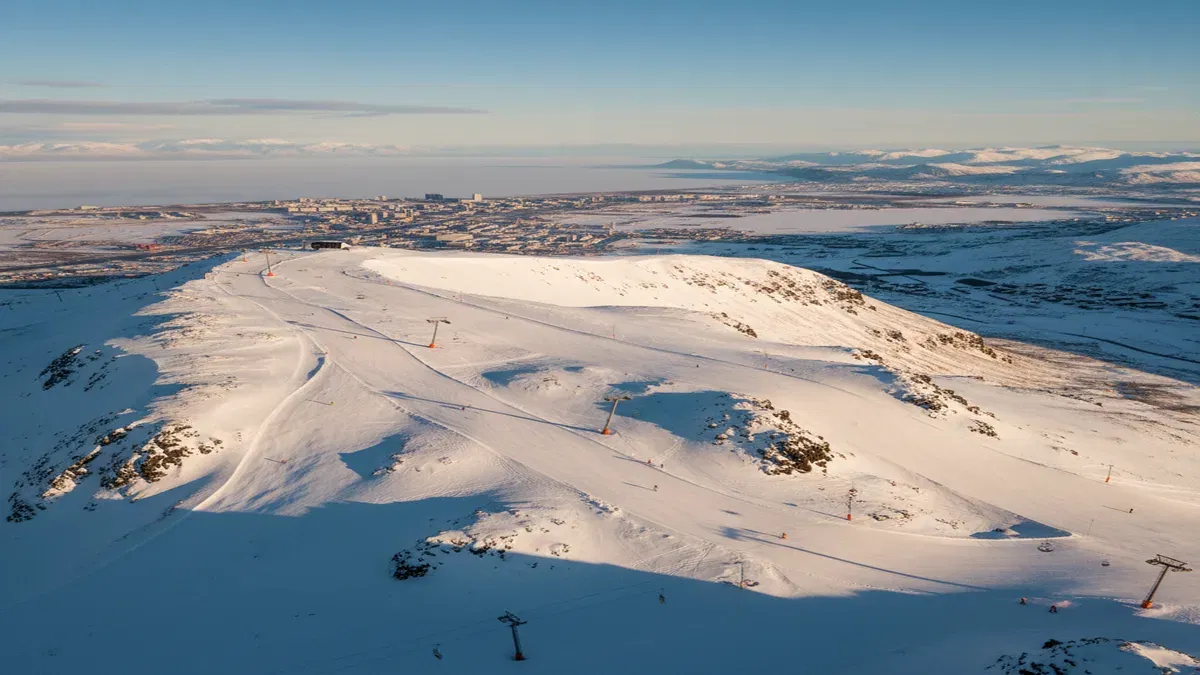 Reykjavik3-6 hours
Blafjoll Ski Resort
Iceland's largest ski resort, just 30 minutes south of Reykjavik in the Blue Mountains. Blafjoll offers 15 km of slopes, 14 lifts, night skiing under floodlights, and the chance to ski beneath the northern lights.
 Reykjavik15-30 minutes
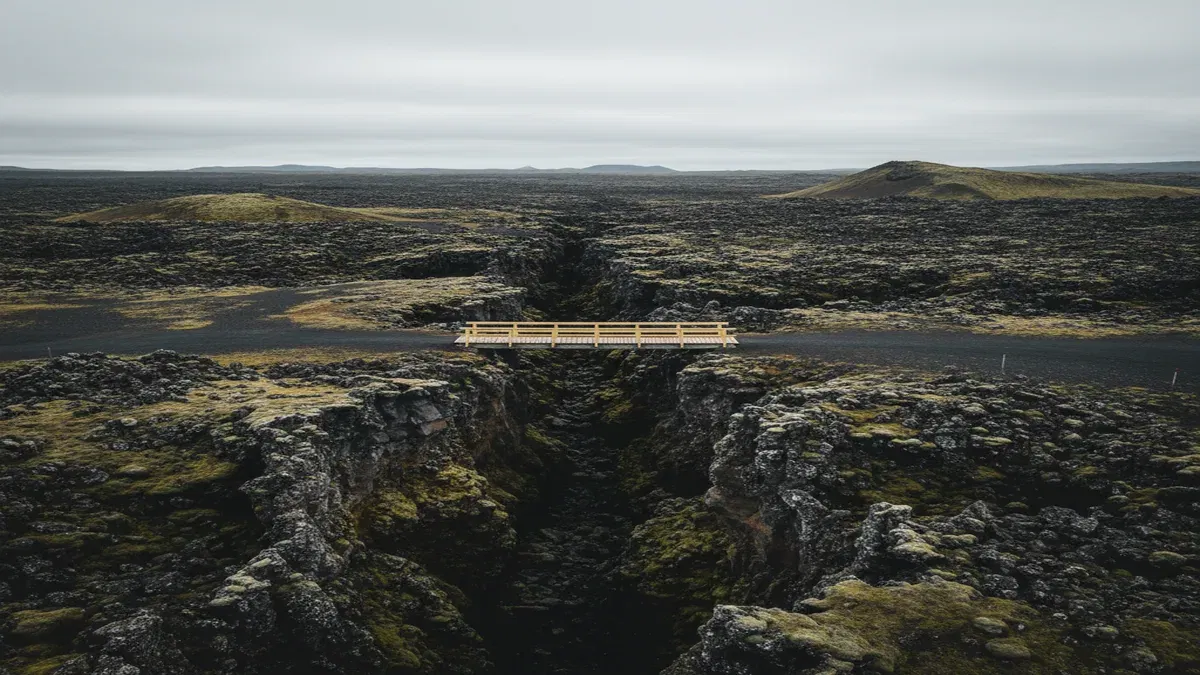
Bridge Between Continents
A 15-meter footbridge spanning a rift between the North American and Eurasian tectonic plates on the Reykjanes Peninsula, offering a symbolic walk between two continents in the middle of a vast lava field.
 Reykjavik45-60 minutes
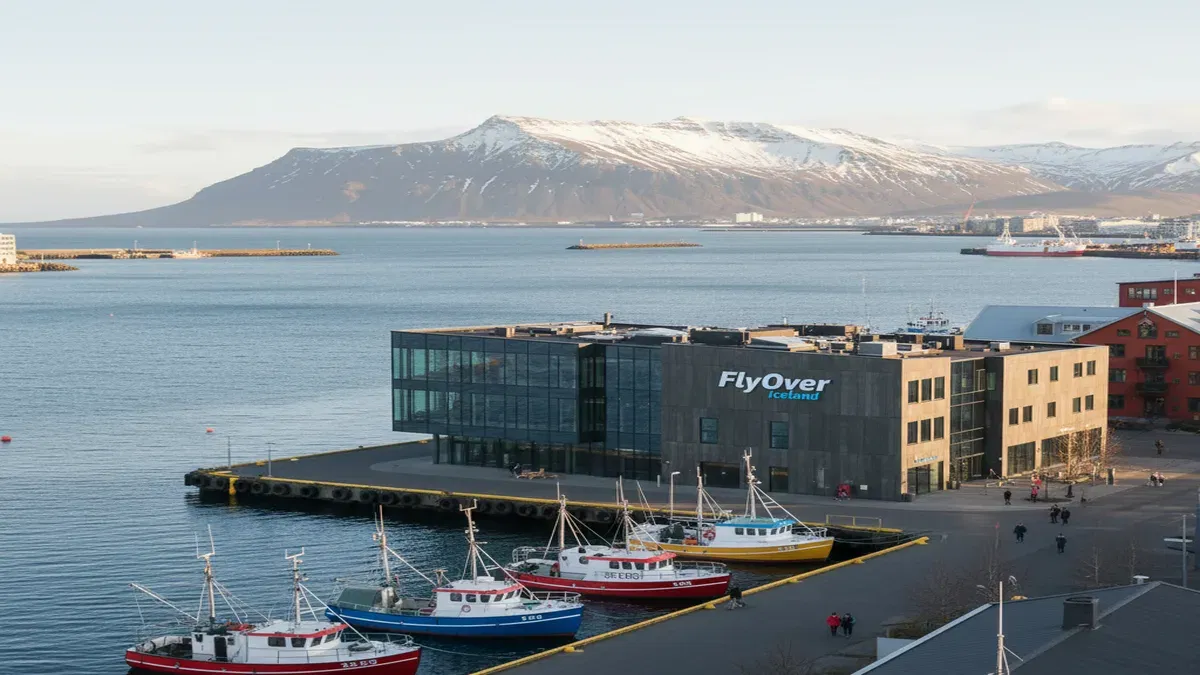
FlyOver Iceland
A state-of-the-art flying theatre in Reykjavik's Grandi harbour district where visitors are suspended before a 20-metre spherical screen for an immersive aerial journey across Iceland's landscapes, complete with wind, mist, and scent effects.