Scuba Diving in Silfra Fissure
Scuba dive between tectonic plates in water with 100+ meter visibility at Silfra, one of the top rated dive sites in the world. PADI Open Water certification required.
The Ultimate Silfra Experience
While snorkeling Silfra is spectacular, diving takes the experience to an entirely different level. Descending into the fissure between the North American and Eurasian tectonic plates, surrounded by water with over 100 meters of visibility, creates a sensation that veteran divers consistently rank among their greatest underwater experiences worldwide.
DIVE.is runs the diving operation with meticulous attention to safety and logistics. After meeting at Thingvellir National Park and verifying your certification and dive log, guides help you into a drysuit with thermal undergarments. A comprehensive briefing covers drysuit buoyancy control, the dive plan, and communication signals specific to the cold water environment.
Descending into the Rift
The dive follows the same route as the snorkeling trail but the experience is transformed by depth. At Silfra Big Crack, you descend between walls of ancient lava rock covered in patches of bright green troll hair algae. The fissure narrows in places to just a few meters wide, and looking up toward the surface from below reveals a corridor of blue light that is difficult to describe adequately.
Silfra Cathedral is the centerpiece of the dive. This is the widest and deepest section, reaching roughly 18 meters. Hovering mid-water here, you can see the bottom detail with perfect clarity while the fissure walls stretch away in both directions. The blue-to-turquoise color gradient shifts as light filters down through the glacial water. Time seems to slow in this section, and most divers wish they could stay longer.
Cold Water, Warm Reward
There is no pretending Silfra is a warm dive. At 2-4 degrees Celsius, your face and hands will feel the cold. The drysuit keeps your torso comfortable, but the extremities require mental preparation. Most divers report that the visual spectacle overwhelms the cold factor within minutes — your brain simply has too much to process to focus on temperature.
The dive lasts 30 to 40 minutes depending on air consumption and the guide's assessment of conditions. After surfacing, hot chocolate and snacks help with the rewarming process while you discuss what you just witnessed with fellow divers.
Who Should Do This
This dive is appropriate for certified divers who are comfortable with cold water and unfamiliar equipment. The drysuit handling is the main technical challenge — buoyancy control differs significantly from wetsuit diving. If you have never worn a drysuit, consider taking the PADI Dry Suit specialty beforehand. The dive itself has no strong currents and follows a straightforward route, but the 2-degree water and restricted drysuit mobility elevate the difficulty above typical recreational dives. For qualified divers, Silfra consistently delivers one of the most visually stunning dives available anywhere on Earth.
Frequently Asked Questions
- What certification do I need?
- You must hold a PADI Open Water Diver certification or equivalent (SSI, NAUI, BSAC, CMAS). You also need to have logged at least 10 dives after certification, OR hold a PADI Dry Suit Diver specialty. Proof of certification is required on site.
- How deep does the dive go?
- The maximum depth at Silfra is approximately 18 meters in the Cathedral section. Most of the dive is between 7-12 meters, following the natural contour of the fissure floor.
- How is diving different from snorkeling here?
- Diving allows you to descend into the fissure and experience the full depth of the Cathedral section. You can explore crevices, hover over the bottom details, and spend more time in each section. The perspective from below is dramatically different from floating on the surface.
- Do I need drysuit experience?
- Prior drysuit experience is strongly recommended but not always mandatory if you have logged enough open water dives. DIVE.is provides a thorough drysuit briefing before every dive. If you are not drysuit certified, you need at least 10 logged dives.
- What is the water temperature?
- The water is a constant 2-4°C (35-39°F) year-round. With the provided drysuit and undergarments, core body temperature is maintained comfortably for the 30-40 minute dive.
- Can I bring my own underwater camera?
- Yes, if you have an underwater camera setup you are welcome to bring it. However, diving in a drysuit in cold water requires good buoyancy control, so only bring a camera if you are confident managing it alongside your dive skills. Professional photo packages are also available.
Book Unforgettable Iceland Experiences — Golden Circle
From glacier hikes to northern lights tours — browse hundreds of activities and book with free cancellation.
Browse ActivitiesRent a Car and Explore Iceland
Freedom to roam the Ring Road and beyond. Compare car rental deals in Iceland.
Compare Car RentalsMore Activities in Golden Circle
See all → Golden Circle8 hours
Golden Circle Classic Day Tour
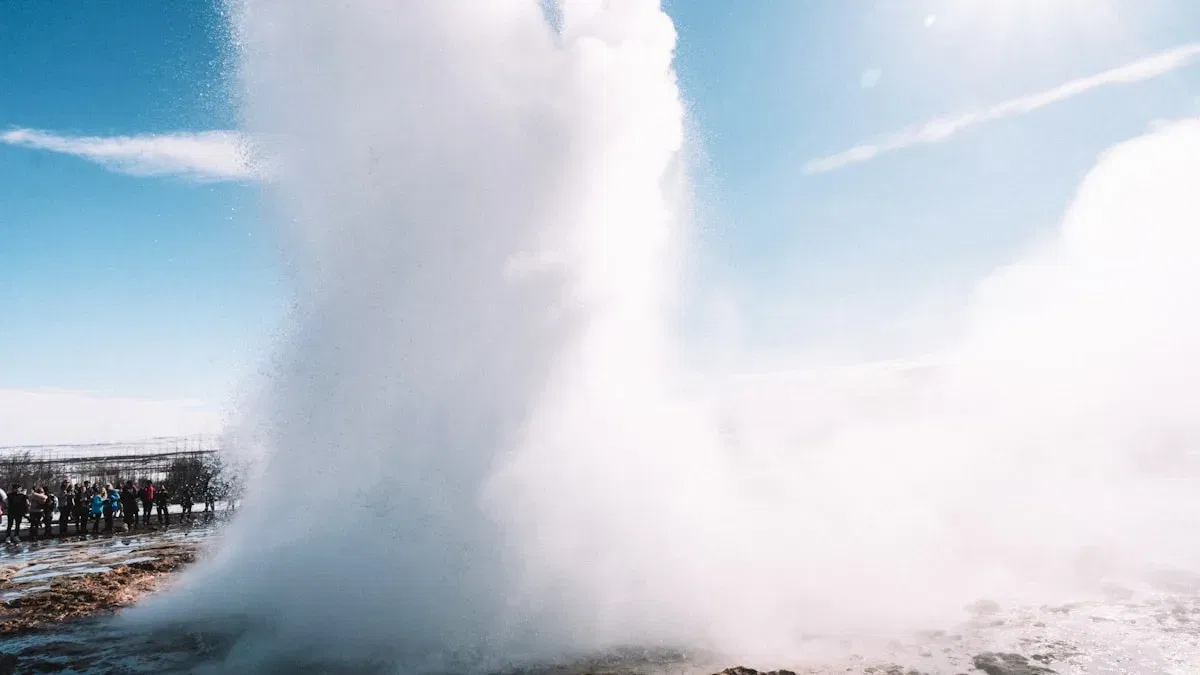
Iceland's most popular day tour, visiting three iconic landmarks: Thingvellir National Park (UNESCO), the erupting Strokkur geyser, and the thundering Gullfoss waterfall — all in a single day from Reykjavik.
 Golden CircleFull day (10 hours)
Golden Circle & Horse Riding Combo
Combine Iceland's top sightseeing route with a memorable ride on an Icelandic horse, experiencing the unique tolt gait through stunning countryside.
 Golden Circle10 hours
Golden Circle Small Group Tour with Kerid Crater
Experience Iceland's most iconic landmarks on a small group tour covering Thingvellir, Geysir, Gullfoss, and the stunning Kerid Crater.